
Comparison Analysis
The Two Pillars of Finance
By January 2026, the cryptocurrency market has matured far beyond its speculative beginnings. The landscape is dominated by two titans: Bitcoin and Ethereum. While thousands of other projects exist, these two represent over 70% of the total ecosystem’s value. The debate in 2026 is no longer about whether crypto is a fad, but about which of these two pillars will define the future of global finance.
Bitcoin: The Eternal Digital Gold
In 2026, Bitcoin’s narrative as “Digital Gold” is complete. Following multiple halving cycles and the widespread adoption of Spot ETFs, Bitcoin has become a standard component of institutional portfolios. Governments across the globe have begun holding Bitcoin as a strategic reserve asset, treating it with the same reverence as physical gold but with the portability of a digital signal.
Bitcoin’s primary strength remains its Absolute Scarcity. With a hard limit of 21 million coins and a decentralized Proof-of-Work network that is more secure than any other computational system in history, it provides a hedge against inflation and currency debasement. In 2026, the Lightning Network and subsequent Layer 2 (L2) developments have finally made Bitcoin spendable at scale, but its true GOAT status comes from its role as the world’s hardest money.
Ethereum: The Global Settlement Layer
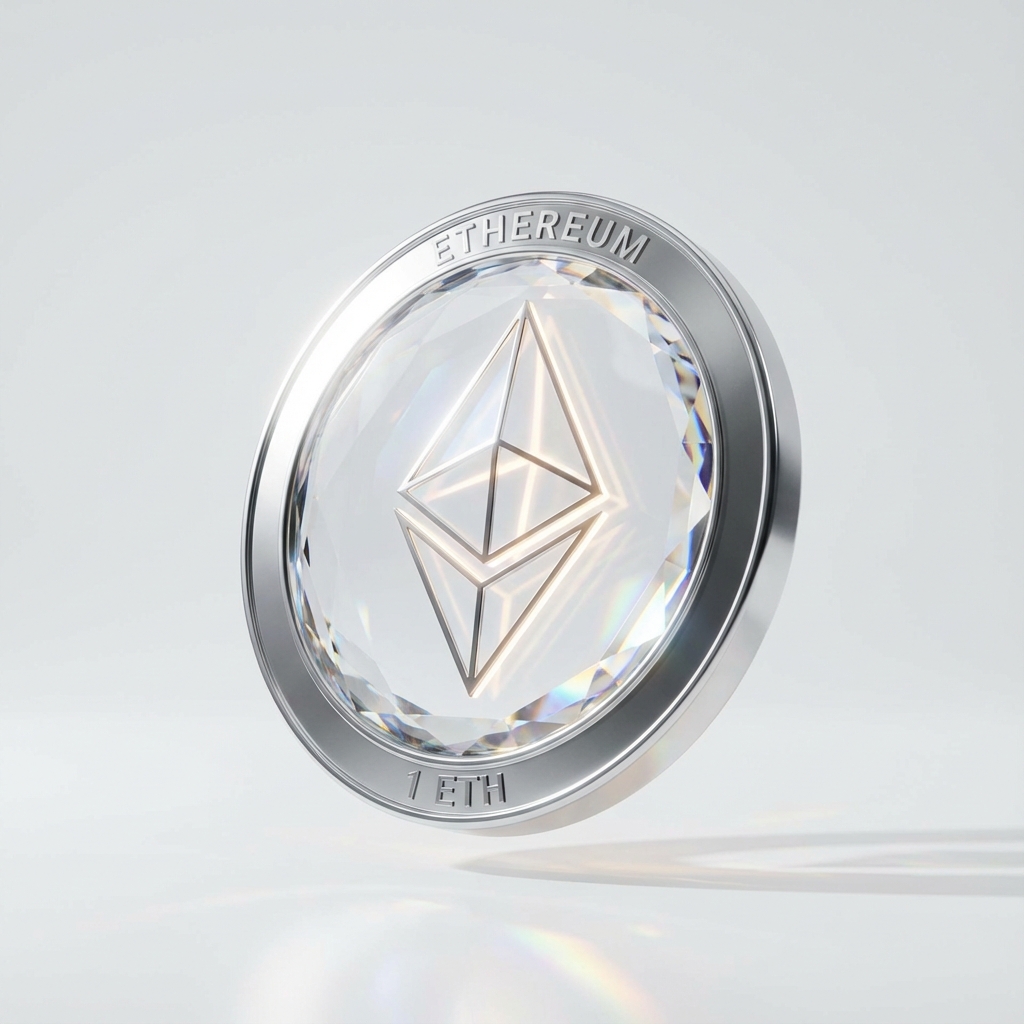
If Bitcoin is gold, then Ethereum is the internet and the electrical grid combined. By 2026, Ethereum has successfully navigated several major technical upgrades, including “The Surge” and “The Verge,” making its network incredibly efficient. Most users no longer interact with the Ethereum Mainnet directly; instead, they live on Layer 2 rollups like Arbitrum, Optimism, and Base, which offer sub-cent fees while inheriting Ethereum’s security.
The true power of Ethereum in 2026 lies in its Utility. It is the foundation for the tokenization of Real-World Assets (RWA). Everything from real estate to government bonds is now being issued on the Ethereum blockchain. With its Proof-of-Stake mechanism and its “burn” feature (EIP-1559), Ethereum has become a deflationary asset, often described as “Ultrasound Money” by its proponents. It doesn’t just store value; it powers the world’s financial applications.
Scalability and the Layer 2 War
In 2026, the competition between BTC and ETH is often fought through their respective L2 ecosystems. Bitcoin’s L2s, such as Stacks and various Sidechains, have introduced smart contracts to the King of Crypto, allowing users to lend and borrow their BTC without trusting centralized exchanges.
Ethereum, however, remains years ahead in developer activity. The sheer volume of developers building on the EVM (Ethereum Virtual Machine) ensures that Ethereum remains the hub of innovation. Whether it’s Decentralized Finance (DeFi) or the “New Internet” (Web3), Ethereum’s network effects are nearly impossible to overcome.
Decentralization and Security
Bitcoin’s Proof-of-Work is often criticized for its energy consumption, but in 2026, it is recognized as its greatest security feature. It creates a physical cost to producing the money, making it tethered to the real world. Bitcoin’s network is entirely permissionless and virtually immune to government censorship.
Ethereum’s Proof-of-Stake is more “environmentally friendly,” which has helped its adoption among ESG-focused institutional investors. However, critics point out that the concentration of staked ETH can lead to governance risks. Despite these debates, both networks have maintained 100% uptime for years, proving their resilience against all forms of cyberattacks.
Institutional Adoption in 2026
Traditional finance (TradFi) has fully integrated both assets. Wall Street banks now offer Bitcoin and Ethereum savings accounts, and “Staking-as-a-Service” has become a massive industry for Ethereum holders. The competition is now for the “Retirement Fund” market.
Bitcoin is the choice for conservative wealth preservation, while Ethereum is the choice for growth-oriented investors who believe in the future of the decentralized web.
FAQ: Crypto GOAT Questions
Is Bitcoin safer than Ethereum? From a purely technical perspective, Bitcoin’s Proof-of-Work is considered more battle-tested and decentralized, but Ethereum’s Proof-of-Stake has proven highly secure over years of operation.
Can Ethereum flip Bitcoin’s market cap? This event, known as “The Flippening,” is still a major topic of debate in 2026. While Ethereum’s utility is higher, Bitcoin’s brand as a store of value remains dominant.
Why is Bitcoin’s supply limited? Bitcoin’s code mandates a hard cap of 21 million coins, a feature designed by Satoshi Nakamoto to prevent the inflation common in fiat currencies.
What are Layer 2s? Layer 2s (L2s) are secondary networks built on top of a blockchain (like Bitcoin or Ethereum) to increase speed and lower costs while keeping the main network’s security.
Final Verdict: Scarcity vs. Innovation
Choosing between Bitcoin and Ethereum in 2026 is a choice between two different futures.
Pick Bitcoin if you believe in Absolute Scarcity and want the most secure, apolitical, and reliable store of value ever created. It is the gold of the digital age.
Pick Ethereum if you believe in Infinite Innovation and want to be part of the operating system that will run the future of finance, identity, and the web. It is the engine of the digital age.
The crypto world is big enough for both. Bitcoin protects the wealth, and Ethereum builds the apps.
Financial data and network stats based on speculative 2026 market projections.