Comparison Analysis
The Fedal Era: A Symphony of Contrast
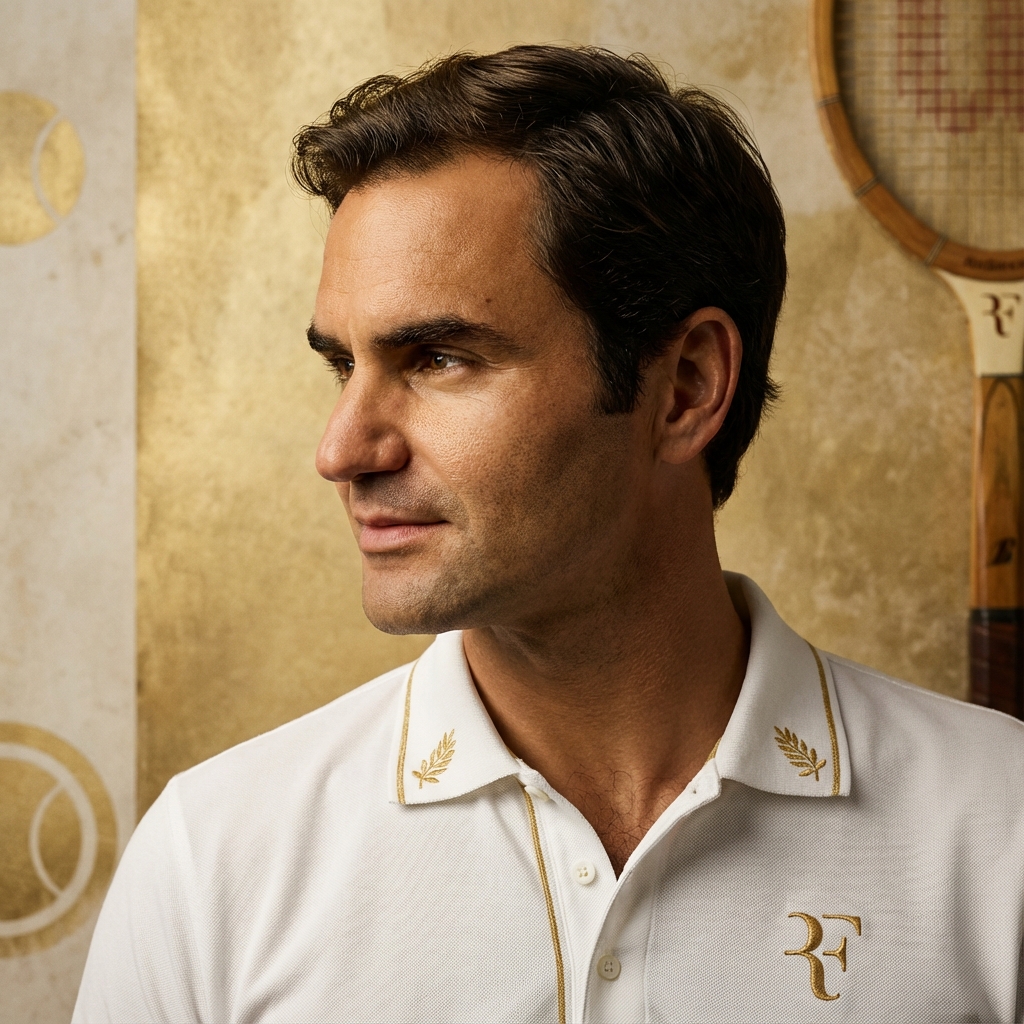
In the long history of professional tennis, no rivalry has transcended the sport quite like Roger Federer vs Rafael Nadal. Often referred to as “Fedal,” this matchup represents more than just two elite athletes competing; it is a clash of philosophies, aesthetics, and personalities. Federer, with his effortless one-handed backhand and fluid movement, made tennis look like a dance. Nadal, with his heavy topspin and lung-bursting hustle, made it look like a battle for survival.
As we assess their legacies from the vantage point of January 2026, both legends have officially retired from professional play, but their impact on the game is more palpable than ever. While Novak Djokovic continues to push the boundaries of statistical greatness, the Federer-Nadal debate remains the soul of the tennis GOAT discussion.
Roger Federer: The Maestro of the Grass
Roger Federer was the player who brought tennis into the 21st century. His dominance from 2004 to 2007 was perhaps the most sustained period of perfection the sport has ever seen. During that time, he was practically invincible on grass and hard courts, winning five consecutive titles at both Wimbledon and the US Open.
Federer’s greatness wasn’t just in the numbers—it was in the way he won. He possessed a variety of shots that seemed impossible to simulate. His transition from the baseline to the net, his slice backhand that stayed inches off the ground, and his “liquid whip” forehand transformed tennis into a global spectacle. In 2026, he remains the gold standard for sportsmanship and marketability, having built a business empire that far exceeds his on-court earnings.
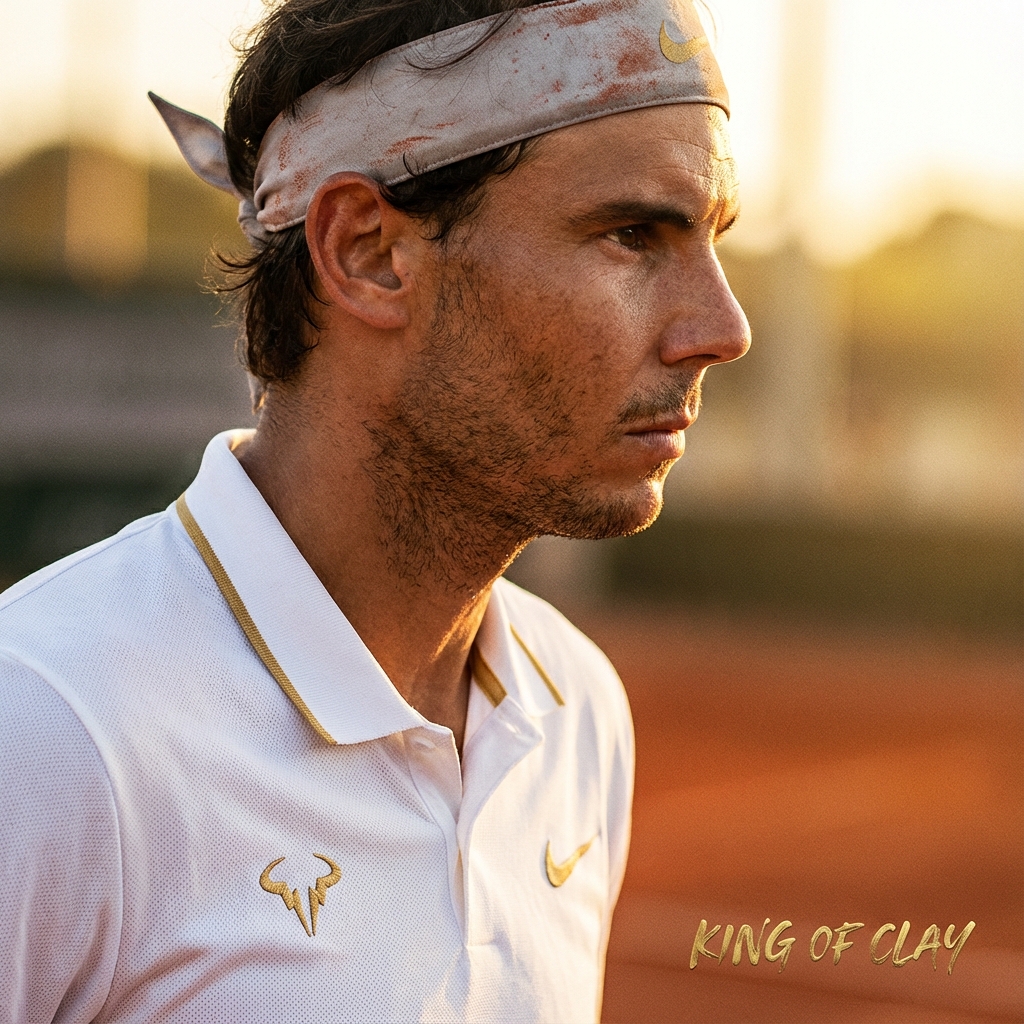
Rafael Nadal: The King of Clay
If Federer was the architect, Rafael Nadal was the demolition crew. Entering the scene as a teenager with sleeveless shirts and three-quarter pants, Nadal introduced a level of physicality that the sport had never seen. His dominance at Roland Garros is a record that will likely never be broken—14 titles on the red clay of Paris is a feat of psychological and physical endurance that defies logic.
Nadal’s career was a constant battle against his own body. Plagued by foot, knee, and abdominal injuries, he reinvented himself multiple times. He transformed from a pure “clay-courter” into a multi-surface threat, eventually winning multiple titles at Wimbledon and the Australian Open. His 2008 Wimbledon final victory over Federer is still cited by many as the greatest tennis match ever played, marking the moment he truly became Federer’s equal on all surfaces.
Surface Specialization vs. All-Around Mastery
One of the most fascinating aspects of the GOAT debate is the “Surface Tax.” Nadal’s critics often point to the fact that a large portion of his titles came on clay. However, in 2026, experts argue that being the undisputed greatest on a specific surface is its own kind of GOAT-level achievement.
Federer, meanwhile, was the master of the “Fast Court.” His game was built for speed—quick points, aggressive serving, and masterful net play. This dichotomy created the perfect rivalry: Federer wanted to end the point quickly, while Nadal wanted to make you suffer through every rally. Their matches were a tug-of-war between the offensive genius of the Swiss and the defensive wall of the Spaniard.
The Djokovic Factor
It is impossible to discuss the tennis GOAT in 2026 without mentioning Novak Djokovic. Statistically, the Serbian has surpassed both Federer and Nadal in Grand Slams, weeks at number one, and Masters 1000 titles. However, the “GOAT” title is often about more than just numbers. It’s about impact, elegance, and how a player made the world feel.
Federer and Nadal built the house that Djokovic now inhabits. The “Big Three” era was the golden age of tennis, and while Djokovic may be the “Efficient GOAT,” many fans still see Federer as the “Aesthetic GOAT” and Nadal as the “Heart GOAT.”
Head-to-Head and Mental Fortitude
In their direct matchups, Nadal holds a significant lead over Federer, particularly in Grand Slams. This has always been the primary argument for Nadal in the debate. His heavy left-handed topspin to Federer’s one-handed backhand was the most famous tactical matchup in tennis history. It took Federer years (and a change to a larger racket head) to finally solve the Nadal puzzle, leading to his historic comeback win at the 2017 Australian Open.
Nadal’s mental strength is often cited as the greatest in sports history. His “next point” mentality allowed him to win matches from seemingly impossible positions. Federer, while equally competitive, relied more on his rhythmic “flow state,” which was more beautiful but sometimes more fragile under extreme pressure.
FAQ: Evaluating the Tennis GOAT
Who has more Grand Slam titles? As of their retirements, Rafael Nadal has 22 Grand Slam titles, while Roger Federer finished with 20. (Djokovic has since surpassed both).
Who was better on clay? Rafael Nadal is undisputed as the greatest clay-court player of all time with 14 French Open titles.
Who was better on grass? Roger Federer is considered the modern king of grass with 8 Wimbledon titles.
Who spent more time as World No. 1? Federer spent 310 weeks at the top of the rankings, while Nadal spent 209 weeks.
Final Verdict: Art vs. Grit
Choosing between Roger Federer and Rafael Nadal in 2026 is essentially a personality test.
If you believe tennis should be an Art Form—an expression of grace, timing, and offensive creativity—then Roger Federer is your GOAT.
If you believe tennis is a War of Attrition—an expression of willpower, physical dominance, and the refusal to lose—then Rafael Nadal is your GOAT.
The beauty of their rivalry is that they made each other better. Federer’s elegance forced Nadal to become more than a clay-court specialist, and Nadal’s intensity forced Federer to become a grittier competitor. In the end, tennis was the true winner of the Fedal era.
Stats accurate as of January 2026. Content optimized for pSEO head-to-head comparison.