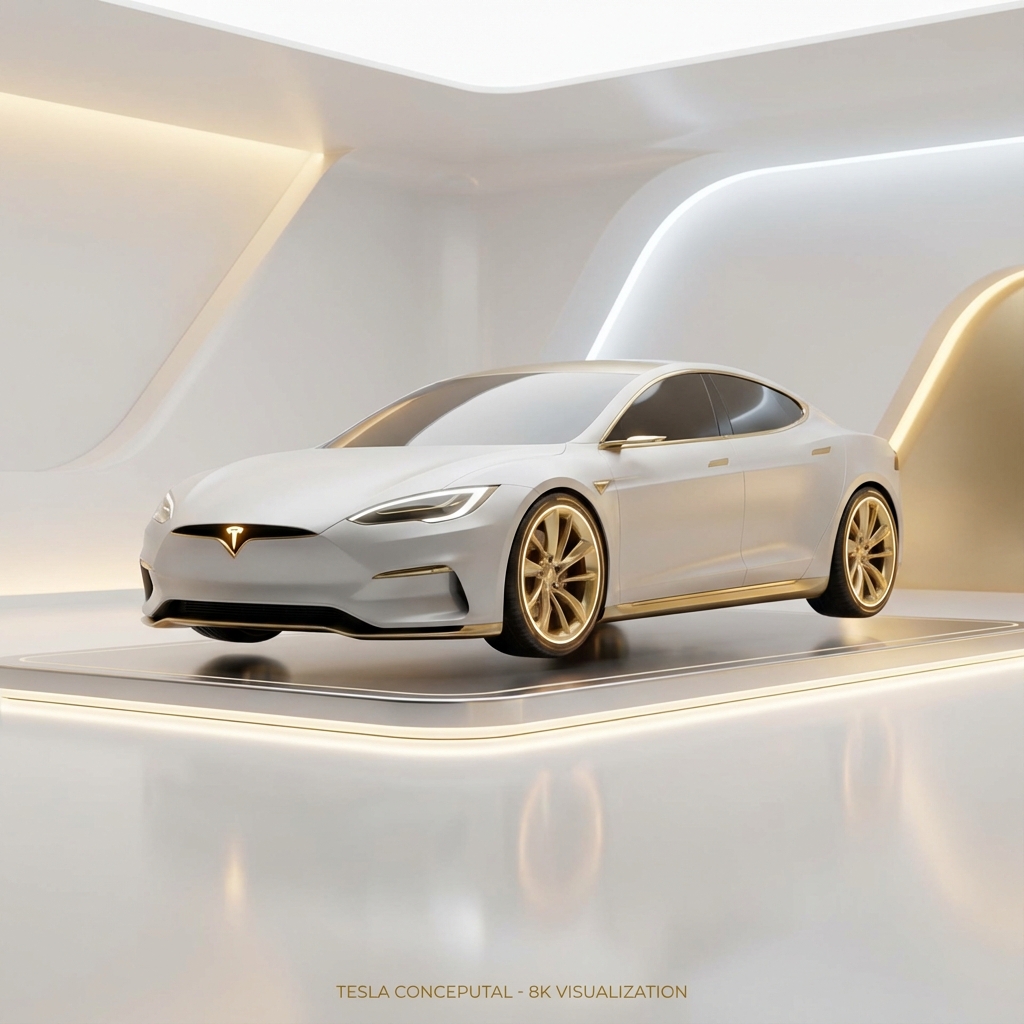
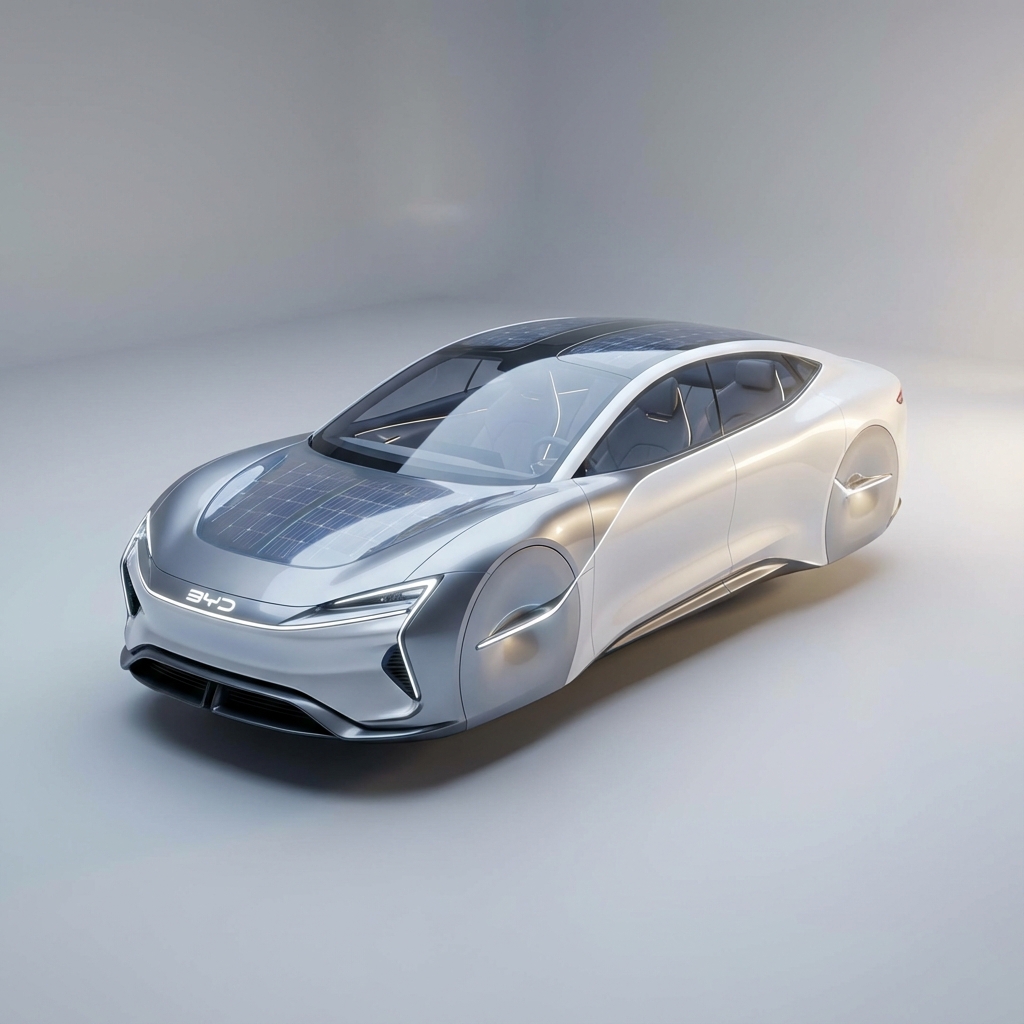
Comparison Analysis
The New Automotive Order
By 2026, the global shift toward electric mobility is no longer a debatable trend—it is the reality of the road. Two giants stand at the peak of this revolution, each representing a different vision of the future: Tesla and BYD. While traditional automakers are struggling to pivot, Tesla and BYD have effectively turned the automobile into a high-performance computer on wheels.
This comparison dives into the 2026 iterations of their flagship platforms, exploring how Silicon Valley innovation stacks up against Shenzhen’s manufacturing might.
Tesla 2026: The AI Robot on Wheels
In 2026, Tesla is no longer viewed just as a car company, but as a dominant AI and Robotics institute. The release of FSD (Full Self-Driving) v15 has changed the game, moving from supervised assistance to unsupervised Level 4 autonomy in many jurisdictions. For the 2026 Tesla driver, the commute is often spent catching up on work or entertainment while the car handles complex urban navigation with inhuman precision.
The hardware has also seen a massive leap. The 2026 Model S and Model 3 refreshments now utilize Unboxed Process manufacturing, significantly reducing weight and increasing structural rigidity. Combined with the improved 4680 battery cells, Tesla’s efficiency—measured in miles per kilowatt-hour—remains the gold standard. The Supercharger network, now natively open to all vehicles but still optimized for Tesla’s communication protocols, offers a 350 kW charging peak that can add 200 miles of range in under 12 minutes.
BYD 2026: The Vertical Integration King
While Tesla focuses on AI, BYD has mastered the Art of the Supply Chain. By 2026, BYD produces nearly every component of its vehicles in-house, from the semiconductors to the upholstery. This vertical integration allows them to launch new models every 12 months, keeping their lineup incredibly fresh compared to the multi-year cycles of Western automakers.
The crown jewel of BYD remains the Blade Battery 2.0. In 2026, this LFP (Lithium Iron Phosphate) technology is recognized as the world’s safest and most durable battery. With a lifespan exceeding 1 million miles and a structural design that makes it nearly immune to thermal runaway, BYD has won the trust of families and fleet operators globally. Their new “CTB” (Cell-to-Body) architecture in cars like the BYD Seal 2 has narrowed the performance gap with Tesla, offering handling and acceleration that challenge the legendary Model 3 Performance.
Software vs. Hardware Reliability
The 2026 debate often centers on “The Screen vs. The Build.” Tesla’s infotainment system is still the industry’s most fluid, integrated with Starlink for global high-speed connectivity. It feels like a high-end smartphone. BYD, however, has focused on “Human-Centric Design,” reintroducing some physical controls and focusing on cabin luxury and materials that feel a step above Tesla’s minimalist (and sometimes controversial) interior choices.
Autonomous Driving: FSD vs. ADAS
In 2026, Tesla’s vision-only approach is competing against BYD’s multi-sensor fusion (LiDAR, Radar, and Cameras). Tesla’s AI-first training on millions of miles of real-world data gives it an edge in “edge cases” and unpredictable human behavior. BYD’s systems, developed in partnership with Huawei and Horizon Robotics, offer incredibly smooth highway piloting and parking, but they haven’t yet achieved the “generalized AI” feel of Tesla’s latest FSD builds.
Global Presence and Market Reach
BYD has taken a massive lead in emerging markets. In 2026, they dominate the EV sales charts in Southeast Asia, South America, and parts of Europe, offering affordable models like the Dolphin and Seagull that Tesla’s long-promised “Model 2” has only just begun to challenge. Tesla remains the premium aspirational brand, maintaining a higher profit margin per vehicle and a cult-like brand loyalty.
FAQ: EV GOAT Questions
Is Tesla’s FSD truly autonomous in 2026? In many regions, FSD v15 is certified for Level 4 unsupervised driving on highways and some urban routes, though legal responsibility still varies by country.
Are BYD batteries safer than Tesla’s? BYD’s Blade Battery is generally considered more resistant to fire and physical damage due to its LFP chemistry and structural design, though Tesla’s 4680 cells have an excellent safety record.
Can I use Tesla Superchargers with a BYD? Yes, by 2026 most Tesla Superchargers have been converted to the NACS/CCS standard, allowing non-Tesla vehicles to charge, though Tesla owners often get priority or discounted rates.
Which car lasts longer? BYD’s LFP batteries generally handle more charge cycles (3000+) before degradation, making them excellent for long-term ownership. Tesla’s software and drivetrain are built for high longevity, with many million-mile motors now in circulation.
Final Verdict: Innovation or Scale?
The choice between Tesla and BYD in 2026 comes down to what you value in a vehicle.
Choose Tesla if you want to be at the Cutting Edge of AI. It is the car for the tech enthusiast who wants a vehicle that improves every month via OTA updates and can truly drive itself.
Choose BYD if you want Maximum Value and Reliability. It is the car for the practical driver who wants a luxury feel, a virtually indestructible battery, and a proven manufacturing pedigree.
The EV GOAT title is shared: Tesla owns the mindshare, but BYD owns the market share.
Automotive specs and production data based on speculative 2026 industry roadmaps.